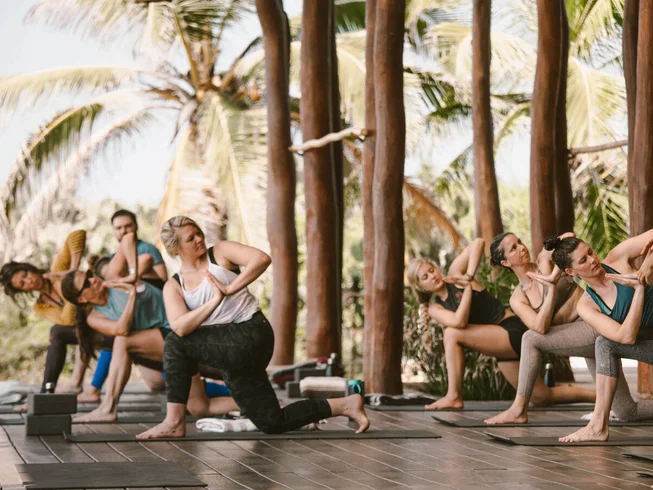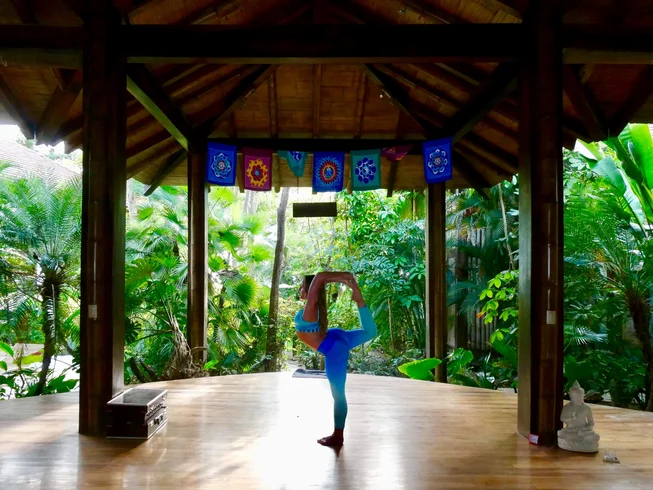
Surf and yoga fit together when the schedule respects both
Surfing asks for energy, attention and recovery. Yoga can support mobility, body awareness and a calmer start or finish to the day, but it cannot erase fatigue or substitute for rest. The best combined retreats treat both practices seriously without filling every hour.
Before comparing countries, inspect the programme: number and length of surf lessons, instructor-to-student ratio, board rental, transport to breaks and how yoga changes on surf days. Beginners need instruction and safe conditions, not simply access to a board.
Costa Rica makes nature part of the identity
Pacific-coast destinations such as Santa Teresa, Nosara and parts of Guanacaste have well-developed surf and wellness communities. Retreats often emphasise jungle surroundings, wildlife, open-air practice and a laid-back beach rhythm. Roads and transfers can be slower than the map suggests.
The dry season may offer more predictable sunshine, while greener months can bring dramatic rain and fewer crowds. Surf conditions vary by beach and season. A responsible organiser selects breaks for the group’s ability rather than promising one famous location regardless of conditions.
Mexico offers greater regional variety
Mexico’s retreat options span the Caribbean coast, Pacific surf towns and quieter inland settings. Tulum programmes may combine yoga with cenotes and cultural excursions; Pacific destinations such as Sayulita and Guerrero can centre more strongly on surf and beach life.
That variety makes exact location essential. Tulum’s hotel zone, town and surrounding coast have different transport and noise realities. Popular surf towns can be lively rather than secluded. Read maps and recent operational reviews instead of treating a famous destination name as a description of the property.
Lesson quality matters more than the number of sessions
Four well-timed lessons with feedback can be more useful than daily group sessions in unsuitable conditions. Ask whether instructors are qualified, how groups are divided, what safety briefing is provided and whether video analysis or land practice is included.
Clarify whether boards and rash guards are included and what happens when conditions are unsafe. A good organiser has an alternative rather than pressuring guests into the water to preserve the itinerary. Insurance should explicitly cover surfing at the level planned.
Recovery should be visible in the timetable
New surfers often underestimate paddling fatigue and sun exposure. Look for slower yoga, mobility work, hydration, adequate meals and genuine free time. Ice baths and massage may feel appealing, but sleep, shade and sensible workload remain the foundation.
Two intense yoga classes around a long surf session can become too much. If the retreat advertises fitness, hiking and nightlife as well, consider what you would actually skip. A programme is not better because it contains every possible activity.
Compare travel friction and the wider trip
Costa Rican beach towns may require a domestic flight, ferry or long road transfer after the international journey. Mexico can offer more direct flight choices, but the final transfer still varies widely by coast. Check arrival cut-offs for shared transport.
If you want a nature-led, self-contained week, a Costa Rican retreat outside a major town may fit. If you want to combine yoga and surf with food, archaeology or cenotes, a Mexican programme may provide more variety. In either country, avoid packing the days after the retreat too tightly.
Choose safety, fit and clarity
The right choice is the retreat that explains surf level, supervision, transport, yoga intensity and contingencies clearly. That information is more meaningful than phrases such as ‘all levels’ or ‘paradise waves’.
Select the coastline and season only after establishing that the programme fits your experience. A calm, well-run beginner week is more memorable than a dramatic destination where the conditions and schedule work against you.
What to ask the surf team
Ask which break is normally used, how guests reach it, the maximum ratio of learners to instructors and how ability groups are formed. Confirm board hire, rash guards, safety briefing, storage and the plan when swell, tide or weather is unsuitable. Find out whether you can skip a lesson or replace it with another activity.
Tell the organiser honestly if you have never surfed, are not a confident swimmer or have an injury. ‘All levels’ should mean the programme adapts—not that everyone enters the same conditions. Clear answers protect the group and make the fun more likely.
YogaHotel offers travel and editorial guidance, not medical advice. Retreat practices vary, and individual health needs should be discussed with an appropriately qualified professional and the retreat organiser.